- 877.942.5613
- info@paveconnect.com
- We Never Close 24/7/365
- 877-942-5613
- info@paveconnect.com



What Breaks Down Asphalt Pavement: 6 Major Factors That Destroy Your Investment!
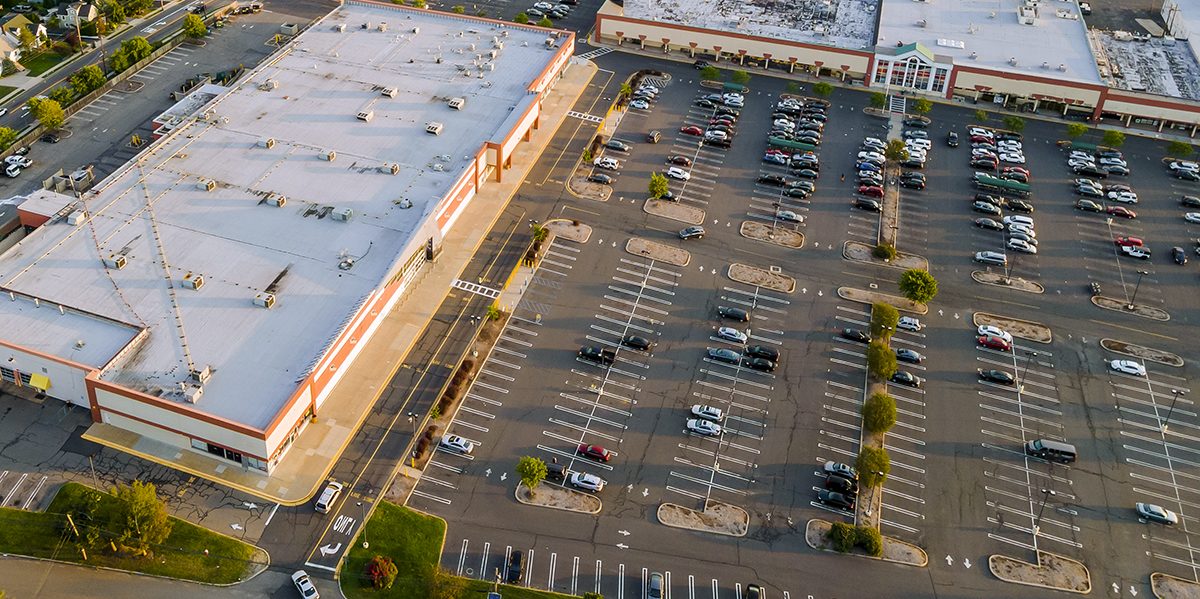
Asphalt pavement deterioration is inevitable, but understanding the root causes can help you protect your investment for decades. While most asphalt surfaces last 15-30 years with proper care, several destructive forces work against your pavement from day one.
A well-constructed parking lot by an experienced paving company can perform for 25+ years, but only when you address these damaging elements proactively. The key lies in recognizing these threats early and implementing the right maintenance strategies to slow the breakdown process.
1. Water Damage: The #1 Enemy of Asphalt Pavement
Water stands as the most destructive force facing your asphalt pavement. When water penetrates the surface through cracks or poor drainage, it attacks the foundation from within. Standing water breaks down the asphalt binder that holds everything together, weakening the entire structure over time. Once water reaches the base layer, each freeze-thaw cycle expands existing damage, creating larger cracks and eventually potholes.
Proper drainage systems and regular crack sealing are your best defense against water infiltration and the costly repairs that follow.
How Water Destroys Your Pavement
Water damage occurs in multiple ways that compound over time. Surface water from rain or snow seeps into small cracks, then freezes and expands during cold weather, significantly widening those cracks.
Poor drainage allows water to accumulate on the surface, where it slowly penetrates the asphalt mixture, weakening the binding agents that keep your pavement solid and durable.
2. UV Rays and Sun Exposure: Invisible but Devastating
The sun’s ultraviolet rays constantly attack your asphalt pavement, causing oxidation that breaks down the flexible oils in the asphalt mixture. This process makes the surface brittle and prone to cracking, especially when combined with traffic loads.
Dark asphalt surfaces absorb heat and can reach temperatures 10-15 degrees higher than the air temperature, accelerating the oxidation process. Regular sealcoating applications create a protective barrier against UV damage, helping preserve the pavement’s flexibility and extending its lifespan significantly.
The Science Behind UV Deterioration
UV radiation breaks down the chemical bond in asphalt, causing the surface to lose its flexibility and become increasingly brittle. This oxidation process happens gradually but consistently, making your pavement more susceptible to cracking under normal traffic loads and temperature changes.
3. Heavy Traffic and Vehicle Loads: Pavement Fatigue Explained
Heavy vehicles create pavement fatigue through repeated loading that exceeds the original design capacity. Delivery trucks, garbage haulers, and other heavy vehicles cause rutting along wheel paths, accelerating deterioration in high-traffic areas.
The damage intensifies in locations where vehicles move slowly, stop frequently, or park for extended periods. Contact pressure, axle configuration, and vehicle speed all factor into how much stress your pavement experiences during each loading cycle.
Critical Areas Most Susceptible to Traffic Damage
Loading zones, dumpster areas, and main traffic lanes experience the heaviest wear patterns. These locations require more frequent maintenance and may need structural reinforcement during initial construction to handle the anticipated loads without premature failure.
4. Tree Roots and Vegetation: Nature's Slow-Motion Destruction
Tree roots create ongoing pressure against your pavement foundation as they grow and spread underground. Large trees can extend roots far beyond their canopy, potentially affecting pavement hundreds of feet away from the trunk.
Even small vegetation poses a threat when seeds settle into cracks and germinate, with growing plants gradually widening those cracks from within. The key is maintaining proper distance between trees and paved areas while addressing vegetation growth in existing cracks before it causes structural damage.
Managing Vegetation Threats
Root barriers installed during construction can redirect tree root growth away from pavement areas. Regular crack sealing prevents seeds from establishing in pavement joints, while proper landscape design maintains adequate separation between mature trees and critical pavement sections.
5. Chemical Damage: Oil, Fuel, and Salt Exposure
Motor oil, gasoline, diesel fuel, and other petroleum products dissolve the asphalt binder on contact, creating soft spots that deteriorate rapidly under traffic. These chemicals penetrate the surface and continue breaking down the pavement structure from within, making affected areas more susceptible to cracking and crumbling.
De-icing salts used during winter weather also contribute to chemical deterioration by penetrating the pavement and weakening its internal structure over time.
Immediate Response to Chemical Spills
Quick cleanup of oil and fuel spills prevents deep penetration into the asphalt surface. Using absorbent materials and proper cleaning agents within hours of a spill can prevent permanent damage that would otherwise require patching or resurfacing.
6. Poor Installation and Design Flaws: The Foundation of Problems
Improper installation creates weak points that accelerate every other form of deterioration. Inadequate base preparation, poor drainage design, incorrect asphalt thickness, and substandard materials all contribute to premature pavement failure.
These installation defects make your pavement more vulnerable to water damage, traffic loads, and environmental factors. Working with experienced paving contractors who understand proper construction techniques is critical for long-term pavement performance.
Signs of Installation Problems
Premature cracking patterns, drainage issues, and uneven settling often indicate underlying installation problems that will continue causing issues throughout the pavement’s life. These defects typically appear within the first few years after construction.
Protecting Your Asphalt Investment: Prevention Strategies
Smart prevention strategies can extend your pavement’s lifespan by 10-15 years while dramatically reducing repair costs. The difference between reactive repairs and proactive maintenance often determines whether your parking lot lasts 15 years or 30 years.
Every dollar spent on preventive care saves $3 to $7 in future reconstruction costs. Understanding which strategies work best for your specific situation helps you make informed decisions that protect your investment long-term.
Strategy 1: Professional Sealcoating
Professional sealcoating solutions create protective barriers that shield your asphalt from UV rays, water penetration, and chemical damage. Before your parking lot begins to experience issues, consider professional sealcoating services to protect it throughout its expected lifespan.
Here’s what you need to know about professional sealcoating timing and application:
- This protective coating should be applied every 2-3 years, depending on traffic levels and climate conditions.
- High-traffic areas may need annual sealcoating, while lighter-use sections can go 3-4 years between applications.
- Professional-grade sealers contain additives that resist oil stains and provide better adhesion than retail products.
- The best time for sealcoating is during warm, dry weather when temperatures stay above 50°F for 24-48 hours after application.
Strategy 2: Immediate Crack Sealing
Small cracks turn into major problems when water freezes and expands inside them during cold weather. To solve your crack sealing problem, invest in crack sealing services to repair and protect your surfaces year-round.
Here’s what you need to know about crack sealing to strategize for your parking lot:
- Crack sealing should happen within the first season after cracks appear, before they widen beyond repair.
- Linear cracks longer than 6 inches require professional attention to prevent water infiltration into the base layer.
- Alligator cracking patterns indicate structural problems that need full-depth patching rather than simple sealing.
Strategy 3: Regular Professional Inspections
Annual inspections catch problems while they’re still inexpensive to fix. Trained professionals spot early warning signs that untrained eyes often miss until damage becomes severe.
Here are the best times of the year to get your parking lot professionally inspected:
- Spring inspections after freeze-thaw cycles reveal winter damage that needs immediate attention.
- Fall inspections identify issues to address before cold weather makes them worse.
Professional reports document pavement condition for budgeting and insurance purposes.
Strategy 4: Drainage System Maintenance
Proper water management prevents the #1 cause of asphalt deterioration. But there are some preventative measures you can take to ensure your parking lot remains safe and protected throughout its projected lifespan.
Here are some strategies you can use to maintain your parking lot’s drainage system:
- Clean catch basins and storm drains every six months to prevent water backup and surface ponding.
- Grade parking lots with proper slope (1-2% minimum) to move water away from pavement surfaces.
- Install or repair drainage systems in areas where water consistently pools after rain.
- Remove debris from drainage channels and swales that redirect water flow around paved areas.
Strategy 5: Traffic Management
Strategic traffic control reduces wear patterns and extends pavement life in high-stress areas. Delivery trucks, customers, and employee vehicles can cause ongoing stress and damage to your parking lot and surfaces.
To avoid traffic management concerns, take these steps to mitigate common traffic use patterns:
- Install speed bumps or signs to slow heavy vehicles in critical zones, like loading areas.
- Designate specific routes for delivery trucks to concentrate wear in reinforced sections.
- Restrict parking of heavy vehicles to areas with thicker asphalt or concrete pads.
- Rotate parking assignments periodically to distribute wear more evenly across the entire lot.
Strategy 6: Vegetation Control
Proactive landscape management prevents root damage and eliminates crack-widening plant growth. Plant and weed growth can lead to serious parking lot issues, including cracked pavement and unwanted overgrowth, which can create uneven and unsafe surfaces.
To prevent vegetation and landscape damage, apply these preventative measures:
- Install root barriers during construction to redirect tree growth away from pavement edges.
- Maintain 10-foot minimum distances between large trees and critical pavement areas.
- Apply pre-emergent herbicides in spring to prevent weed seeds from germinating in pavement cracks.
- Remove existing vegetation from cracks immediately, including roots that extend into the base layer.
Strategy 7: Chemical Spill Response
Quick response to oil and fuel spills prevents permanent damage to asphalt surfaces. If your parking lot experiences a chemical spill, we recommend contacting a parking lot repair and maintenance expert, such as PaveConnect, for an immediate response.
When experiencing a chemical spill:
- Keep absorbent materials on-site for immediate cleanup of automotive fluid leaks.
- Contact your local asphalt repair and protection expert.
- Contact the national response center if a chemical poses a threat to public health and safety.
Our team will:
- Clean spills within 2-5+ hours of arrival (depending on the size of the spill) to prevent chemicals from penetrating deep into the asphalt.
- Use agents specifically designed to protect and clean asphalt surfaces rather than harsh chemicals that cause additional damage.
- Apply sealcoating over cleaned spill areas to restore surface protection and prevent staining.
Looking for a National asphalt paving contractor for your next project?
© 2019 All rights Reserved.
Your National Paving Solution!
44 Grant 65
Sheridan, AR 72150
877.942.5613
Customer Support
Open 24/7
We Never Close
Your National Commercial Paving Solution!
Our Mission
PaveConnect is your national asphalt paving contractor. Our focus is on offering commercial paving services includes commercial parking lot maintenance and pavement management. If you need reliable asphalt paving in your commercial space, don’t hesitate to call.
The PaveConnect Difference
Maintenance & Management

There are many paving companies that strive to be full service. We believe paving maintenance and pavement management are separate specialties, and we have teams dedicated to both. We can help you patch holes in your parking lot or in your portfolio. And, we can do it better and more cost effective than the competition.
Large network
PaveConnect has more than 200 locations strategically placed across the country. This allows PaveConnect to offer a one stop resource with national coverage for our clients. We are available with one call to handle your specific roofing needs, anywhere…24/7/365, by calling 877.942.5613 and speaking to a representative.
Strong Relationships

Our network of contractors have been in the paving industry for decades. Every day we work closely with property and facility managers, manufacturers, contractors, and industry experts across the nation. Our relationships help us continually improve pavement management practices and perform parking lot maintenance more effectively.
About Us
Lorem ipsum dolor sit amet, consectetur adipiscing elit. Suspendisse a libero et diam rhoncus mollis. Donec non arcu elit. Nam consequat, elit nec efficitur elementum, tellus tellus pharetra ante, nec hendrerit risus metus sed metus. Sed egestas, urna eu posuere pretium, mauris augue aliquam lectus, vitae iaculis odio nunc
“
A doctor can bury his mistakes, but an architect can only advise his clients to plant vines.”
Frank Lloyd Wright
Contact us
Leave us a note and we will get back to you for a free consultation
- +986-99-8885
- noreply@gmail.com
- 16 Church Ave, Brooklyn, NY 11226
+ 44 641 754 0072
