- 877.942.5613
- info@paveconnect.com
- We Never Close 24/7/365
- 877-942-5613
- info@paveconnect.com



Summer Heat and Your Parking Lot: Act Before Fall
Your Parking Lot Is Softer Than You Think Right Now
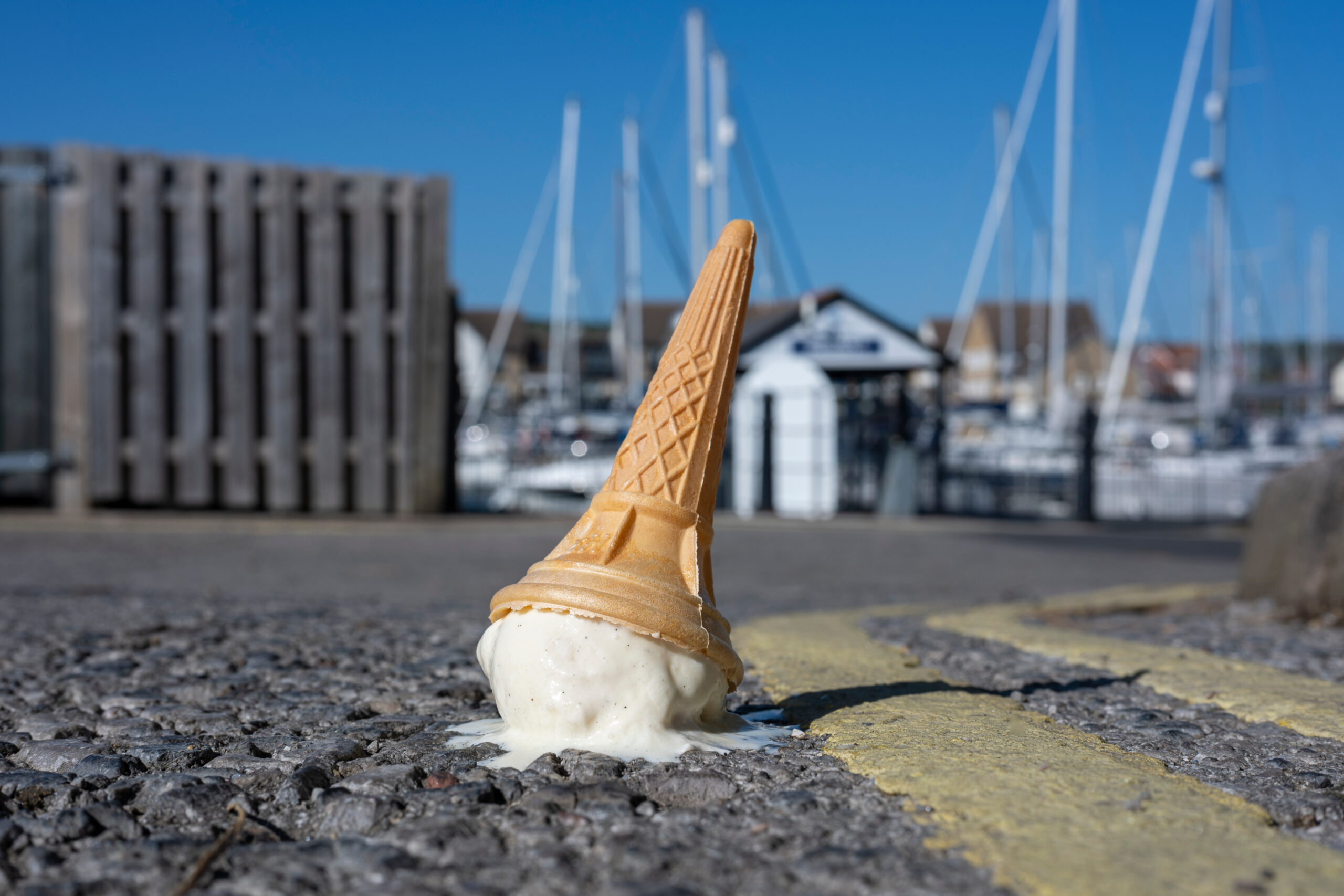
On a 95-degree day, asphalt surface temperatures can exceed 140°F, hot enough to soften the binder that holds your pavement together. That’s why summer is when you’ll notice power-steering scuffs near drive-thru lanes, rutting where delivery trucks idle, and depressions forming under dumpster pads. The pavement isn’t failing randomly; it’s deforming because heat has temporarily turned it pliable, and heavy loads are taking advantage.
Here’s the twist: summer is also the single best season to fix it. Sealcoating, crack filling, and striping all require warm, dry conditions to cure properly. The same heat that’s stressing your lot is the application window for protecting it and that window closes when temperatures drop in fall.
What Summer Does to Commercial Pavement
Binder Softening and Rutting: Asphalt is a viscoelastic material. In high heat, it loses stiffness, and repeated loading from trucks and daily traffic creates ruts, shoving, and wash boarding, especially at stop bars, loading docks, and turning areas.
Oxidation and Fading: UV exposure oxidizes the asphalt binder, turning rich black pavement gray and brittle. Oxidized asphalt loses flexibility, which means when temperatures swing, it cracks instead of flexing. Those cracks are the entry point for the water damage that destroys pavement from below.
Crack Growth Ahead of Storm Season: Every open crack lets stormwater into your base layer. In summer storm season, a heavy downpour can wash out fines beneath the surface, and by winter, freeze-thaw cycles will turn saturated cracks into potholes. The crack you fill in July is the pothole you don’t patch in January.
Striping and Marking Wear: Sun exposure fades line striping faster in summer, and faded ADA markings, fire lanes, and crosswalks aren’t just cosmetic, they’re compliance and liability exposure.
Five Moves to Make Before Fall
- Walk the lot and map the damage. Note alligator cracking (a base failure sign), linear cracks, potholes, drainage low spots, and rutted zones. For large or multi-site portfolios, an aerial drone survey can document conditions across every property in a fraction of the time.
- Fill cracks now. Hot-applied crack sealant performs best when applied to dry pavement in warm weather. This is the highest-ROI maintenance task in pavement management. A few thousand dollars in crack sealing can defer tens of thousands in structural repair.
- Sealcoat on schedule. Sealcoating every two to four years replaces the oxidized surface layer and blocks UV and water intrusion. It needs pavement temperatures above roughly 50°F and dry curing time, meaning your realistic window in most regions ends by mid-fall.
- Re-stripe with compliance in mind. While the lot is being sealcoated, verify ADA stall counts, access aisle dimensions, signage, and fire lane markings. Restriping is the cheapest moment to correct a compliance gap that would otherwise surface in a lawsuit or inspection.
- Fix drainage before the storms do it for you. Standing water after a summer storm marks exactly where your pavement will fail first. Address low spots, clogged inlets, and failed curbing now.
The Cost Curve Is Steep
Pavement deteriorates on a curve, not a line. A commonly cited industry rule of thumb: every dollar spent on preventive maintenance early in a pavement’s life avoids several dollars in rehabilitation later, and once the base fails, you’re no longer maintaining, you’re reconstructing at many times the cost per square foot. A lot that gets crack sealing and sealcoating on schedule can last 25 to 30 years; a neglected one may need major rehabilitation in half that time.
When to Bring in a Professional
Not every lot needs the same treatment, and money spent sealcoating pavement that actually needs structural repair is money wasted. A professional pavement assessment distinguishes surface-level wear from base failure, prioritizes repairs by severity and traffic exposure, and sequences work so you get the longest life from every dollar. For owners managing multiple sites, a portfolio-level pavement condition report turns guesswork into a defensible capital plan.
Get on the Schedule Before the Season Ends
Paving contractors’ calendars fill fast in late summer, and cure-friendly weather won’t wait. Contact us to schedule a pavement assessment and lock in your sealcoating, crack filling, and striping before the window closes.
📲 Rely on PaveConnect to be your trusted paving maintenance provider!
